Omriama is an online media platform delivering entertainment, music, business, and international news from Tanzania and around the world.

  • GRAND MUSIC

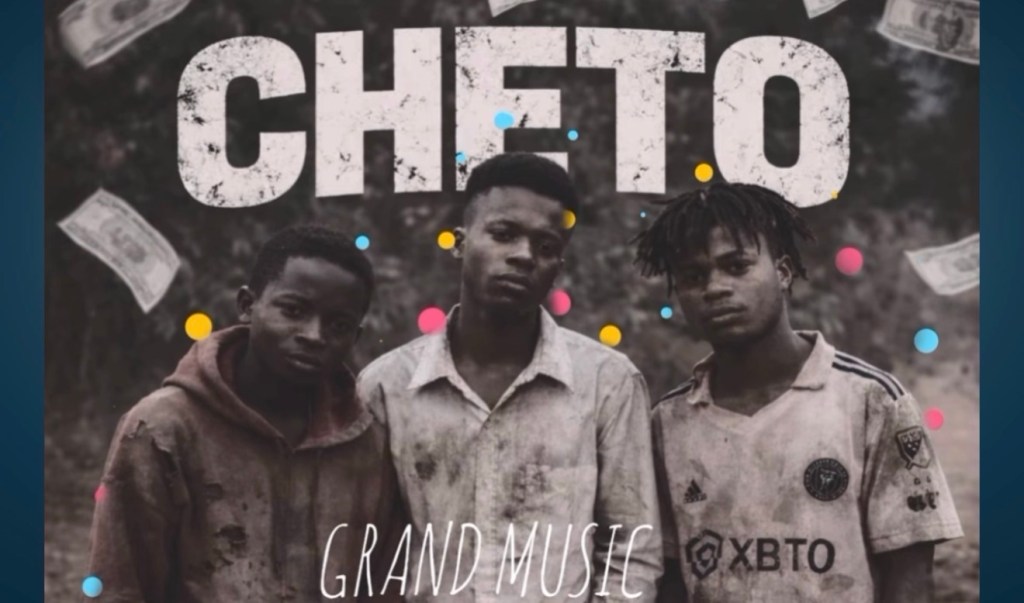
    Kundi la GRAND MUSIC ni miongoni mwa makundi ya muziki yaliyoibuka kutoka Kambi ya Wakimbizi ya Nyarugusu, likiwa na dhamira ya kuwakilisha sauti, utamaduni na uhalisia wa jamii ya Wabembe. Kupitia muziki wao, kundi hili limekuwa jukwaa muhimu la kueleza changamoto, matumaini na mabadiliko ya maisha ya vijana wa Kibembe waliokulia katika mazingira magumu lakini yenye vipaji vikubwa vya kisanii.

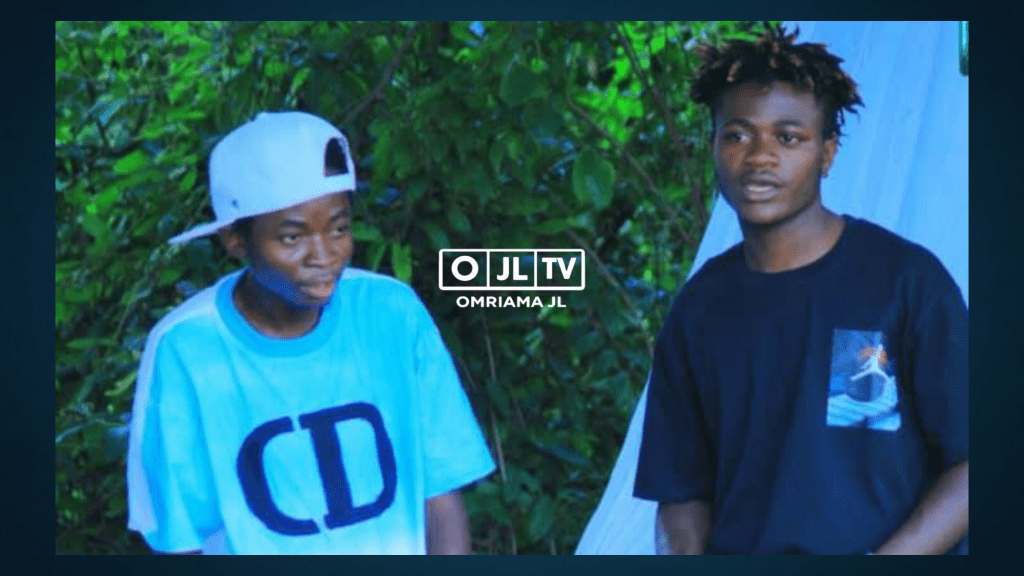
    Kwa sasa, GRAND MUSIC limebaki na wasanii watatu ambao ni KD Mnyama, Kenney Pee na MaMelody. Wasanii hawa wameendelea kulibeba jina la kundi hilo kwa moyo wa kujitolea na maono mapya, licha ya misukosuko na migawanyiko iliyowahi kulikumba kundi hilo katika safari yake ya kisanaa

    CHETO IPO OUT KULE YOUTUBE

    Wimbo “Cheto”: Ujumbe wa Maisha kwa Wabembe wa Ughaibuni

    Kupitia wimbo wao mpya uitwao “Cheto”, GRAND MUSIC wanawasilisha ujumbe mzito unaolenga hasa Wabembe waliotoka Nyarugusu na sasa kuishi katika nchi za ughaibuni kama Marekani, Ulaya na Australia. Wimbo huu ni kioo cha uhalisia wa maisha ya ughaibuni, ukifafanua kwa kina madhara ya kutegemea pesa za bure na misaada isiyo na misingi ya kudumu.

    Ujumbe mkuu wa “Cheto” unawahimiza ndugu zao wa Kibembe walioko ughaibuni kujitegemea kiuchumi, kutafuta kipato kwa juhudi zao wenyewe na kujenga maisha yenye misingi imara. Kwa mujibu wa maudhui ya wimbo huu, si ukubwa wa fedha unaoleta heshima na amani ya maisha, bali ni umiliki wa mali, ujuzi na misingi ya maisha ya kudumu. Kukosa misingi hiyo huwafanya watu kuingia katika migogoro, matatizo ya kijamii na mateso yasiyo ya lazima
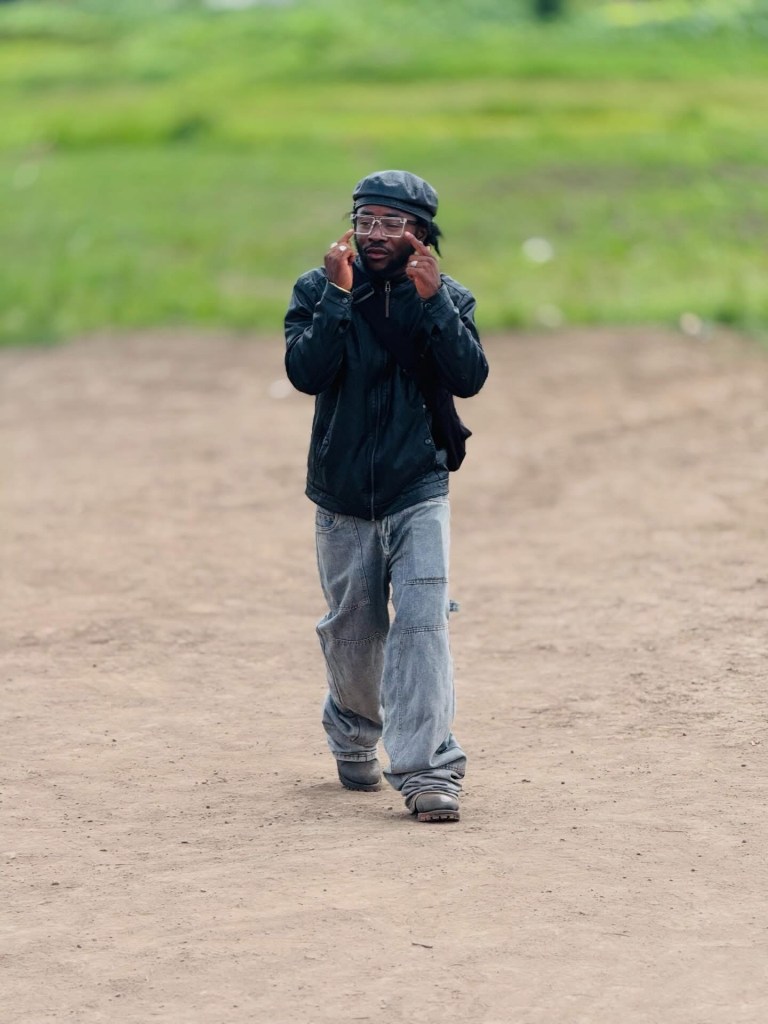
    NYAGO MAN ALIE KUA KIONGOZI WA GRAND MUSIC YA ZAMANI

    Historia ya Kundi na Nafasi ya Nyago Man

    Awali, GRAND MUSIC lilikuwa na wanachama wengi zaidi, akiwemo msanii Nyago Man, ambaye kwa sasa anaendelea na safari yake binafsi ya maisha na muziki. Hata hivyo, licha ya kuvunjika kwa muundo wa awali wa kundi hilo, Nyago Man amebaki kuwa mstari wa mbele katika kuwasapoti vijana wenzake wa Kibembe, jambo linaloonesha mshikamano na utu ndani ya jamii ya sanaa.

    Kuvurugika kwa kundi hilo kulipelekea kila msanii kuanza kufanya kazi kivyake, hali iliyoambatana na changamoto kubwa za kiusimamizi. Baadhi ya akaunti za mitandao ya kijamii zilichukuliwa na watu waliodai kuwa ni mameneja kutoka Marekani, wengi wao bila uelewa wa kina kuhusu sanaa na tasnia ya muziki. Watu hawa waliwaaminisha wasanii kuwa kununua au kukabidhi akaunti kungeleta mafanikio ya haraka, dhana ambayo baadaye ilidhihirika kuwa ni potofu na yenye madhara makubwa kwa maendeleo ya wasanii hao

    NANARE, BIN JUSTIN KS, SAMBRO WHITE

    Tathmini ya Muziki wa Ughaibuni na Wito kwa Wasanii wa Kibembe

    Kupitia kazi zao za sasa, GRAND MUSIC wanatoa ujumbe wa wazi kwa wasanii wengi wa Kibembe walioko ughaibuni, hasa wale walioko Marekani. Wanasema wazi kuwa uwepo katika nchi za nje pekee hauwezi kuwa kigezo cha kipaji wala ubora wa muziki. Baadhi ya wasanii hao hawana uwezo wa kuimba wala maudhui yenye uzito, bali hutegemea mazingira waliopo kama kisingizio cha kujitambulisha.

    Kundi hili linaeleza kuwa fedha nyingi zinazotumika kulipia studio bila kuwa na maudhui bora ni hasara kubwa. Badala yake, wanatoa wito wa kuanzishwa kwa lebo ya muziki ya Wabembe, itakayowaunganisha wasanii wa Nyarugusu na walioko ughaibuni, ili muziki wa Kibembe uweze kusambaa duniani kote kwa wingi, ubora na heshima.
    GRAND MUSIC

    Kwa ujumla, GRAND MUSIC wanaendelea kuthibitisha kuwa muziki ni zaidi ya burudani; ni chombo cha utambulisho wa kitamaduni, elimu ya jamii na mabadiliko ya kimaisha. Kupitia wimbo “Cheto”, wanarejesha mjadala mpana kuhusu maisha ya ughaibuni, thamani ya kujitegemea, na wajibu wa wasanii wa Kibembe kulinda na kukuza sanaa yao.

    Ingawa wamebaki wachache, sauti yao ni kubwa, ujumbe wao ni mzito, na dira yao ni pana kwa jamii ya Wabembe wa sasa na vizazi vijavyo.

    Tembelea youtube yetu na u subscribe 👇

  • PRESIDENT OF UGANDA

    The Electoral Commission of Uganda has officially declared President Yoweri Kaguta Museveni the winner of the general election held on Thursday this week, after securing 7,946,772 votes, representing 71.65 percent of the total valid votes cast.

    His closest challenger, Robert Ssentamu Kyagulanyi, popularly known as Bobi Wine, finished second with 2,741,238 votes, accounting for 24.72 percent of the total vote.

    According to the Electoral Commission, a total of 11,366,201 ballots were cast in the 2026 election, reflecting a voter turnout of 52.50 percent of registered voters.

    President Museveni, who has held power for the longest period in Uganda’s history, first assumed office in 1986 following an armed rebellion. Now aged 81, he has shown no indication of stepping aside.

    A significant portion of Uganda’s population, particularly citizens under the age of 40 — who constitute more than three-quarters of the population — have known only one president throughout their lifetime.

    Museveni’s leadership has been credited with maintaining long-term political stability and advancing national development, achievements frequently highlighted by his supporters. However, critics argue that his continued hold on power has been sustained through the marginalization of opposition figures and the weakening of independent democratic institutions.

    In a previous interview with the BBC, President Museveni openly stated that he does not believe in presidential term limits, defending

    PRESIDENT OF UGANDA

    Subscribe @omriamajl

  • The Minister of Social Development, Humanitarian Affairs and National Solidarity of the Democratic Republic of Congo (DRC), H.E. Ève Bazaiba Masudi, paid an official visit to Nyarugusu Refugee Camp, located in Kasulu District, Kigoma Region, Tanzania, on January 13, 2026. The visit was part of the Congolese government’s efforts to engage with its citizens living in exile and to provide them with accurate and updated information on the situation in their home country.

    Addressing the refugees, Minister Ève Bazaiba Masudi highlighted the notable progress made by the Democratic Republic of Congo in restoring peace, security, and national stability in several parts of the country. She stated that the improving security environment offers an opportunity for Congolese refugees to voluntarily return home and take part in rebuilding their nation.

    She emphasized that voluntary repatriation is entirely optional, stressing that no refugee would be forced to return against their will. The Minister further explained that refugees who are currently undergoing resettlement processes to third countries, including Europe, will continue to be assisted in accordance with UNHCR guidelines and international refugee protection laws.

    Minister Bazaiba Masudi also explained the procedures for refugees willing to return to the DRC, noting that interested individuals must undergo official registration, after which their refugee status will be discontinued in line with international legal standards. She assured refugees that the return process would be conducted in a safe, dignified, and orderly manner, respecting human rights and humanitarian principles.

    Drawing from previous experiences, the Minister noted that many Congolese refugees who voluntarily returned in past years have successfully reintegrated into their communities. She added that testimonies from returnees confirm that the security and living conditions in the DRC have significantly improved, enabling citizens to resume normal social and economic activities.

    In her closing remarks, Minister Ève Bazaiba Masudi encouraged refugees at Nyarugusu Camp to seek reliable information, consult with UNHCR and camp authorities, and make informed decisions about their future. She reaffirmed the Congolese government’s commitment to welcoming its citizens back home, emphasizing that the DRC remains their homeland and is ready to receive them voluntarily

    Visit YouTube and watch the beginning and end of what he says, but it’s in Swahili.👇

    SWAHILI VIDEO 👆 SUBSCRIBE

    Thank you for continuing to follow our page.

    @omriamajl

  • Watch a video from one of the Congolese people’s farms

    One of the events that did not have many videos but that aroused feelings and wide discussion among people around the world is a video that recently went viral from the Democratic Republic of Congo (DRC). The video shows a family in a field, engaged in agricultural activities using a traditional hoe, a type of tool used since ancient times.

    What surprised and attracted many people was not the agricultural event itself, but the context of the time we are in now. In this era of great technological development, where the world has modern agricultural machinery such as tractors and equipment that simplify work and increase production, there are still communities that continue to rely on traditional methods that do not use modern technology.

    The video has raised many questions and great discussions about the development gap between nations, the equality of access to technology, and the living conditions of ordinary citizens in some developing countries. Many wondered why, in a world full of innovation and rapid development, there are still people who are forced to do hard manual labor to get their daily food.

    Watch the full video on YouTube and don’t forget to subscribe.

    Moreover, this video has been a trigger for distant memories for some people who came from Africa and now live in Western countries, especially the United States. Many of them watched the video with mixed emotions—some laughing bitterly and others with joy—reminiscing about the past: the times of eating one meal a day, young people growing up in difficult circumstances, others struggling with extreme poverty, while a few seemed lazy due to lack of opportunities and support. 😂 Thus, this video was not only a picture of traditional agriculture, but also a mirror of the history of life that many have left behind but still live in their memories.

    On the other hand, the event has become an important lesson that shows the resilience, perseverance, and efforts of ordinary citizens of the Congo DRC, who despite economic and developmental challenges, still continue to fight hard to make a living. This video carries a strong message about the importance of inclusive development that reaches everyone, leaving no one behind.

    @omriamajl

  • Full video Kiswahili

    Kiswahili

    Tukio hili limetokea eneo la Ubembeni, ambapo baadhi ya wanawake walionekana wakicheka wakati wa mazishi ya mzee mmoja. Tukio hilo limeibua mshangao mkubwa miongoni mwa watu waliokuwepo na kusababisha mjadala mpana kwenye mitandao ya kijamii, huku wengi wakijiuliza sababu ya tabia hiyo katika mazingira ya majonzi.

    Kwa mujibu wa mila na desturi za baadhi ya makabila ya eneo hilo, hususan kabila la Kimbembe, kuna utamaduni wa utani wa kimila unaojitokeza hata katika matukio mazito kama mazishi. Utani huo hutumika kama njia ya kupunguza huzuni, kuimarisha mshikamano wa kijamii na kutoa faraja kwa wafiwa.

    Katika tukio hili, baadhi ya wanawake walionekana wakicheka huku wakilia kwa wakati mmoja, hali iliyozua taharuki kwa watu wasiofahamu mila hiyo. Tukio hili linaonesha wazi tofauti za kitamaduni na namna mila zinavyoweza kutafsiriwa tofauti, hasa katika zama za mitandao ya kijamii ambapo kila tukio husambaa kwa kasi.

    ENGLISH

    This incident occurred in Ubembeni, where a group of women were seen laughing during the funeral of an elderly man. The situation shocked many people who attended the burial and quickly sparked widespread discussion on social media, with many questioning how such behavior could occur during a moment of mourning.

    However, according to cultural traditions practiced by some local communities, particularly the Kimbembe tribe, there exists a long-standing tradition of cultural joking relationships. These practices sometimes take place even during serious events such as funerals and are intended to ease grief, strengthen social bonds, and offer emotional comfort to the bereaved family.

    In this particular incident, the women were observed laughing and crying simultaneously, a reaction that appeared unusual to outsiders unfamiliar with the culture. The event highlights how cultural differences can be easily misunderstood, especially in the age of social media where context is often lost

    Full video Kiswahili
  • Bernadette Zawadi, anayejulikana zaidi kwa jina la Rebo Queen, ni msanii anayekuja kwa kasi kutoka Nyarugusu, ambaye kwa sasa anaishi nchini Marekani.

    Hivi karibuni, sauti inayodaiwa kuwa yake imevuja mitandaoni, ikimwonyesha akizungumza na mganga kutoka Nyarugusu, huku yeye akiwa bado anaishi Marekani. Katika sauti hiyo, inadaiwa Rebo Queen anazungumzia nia ya kumdhuru kwa njia za kishirikina msanii mwenzake anayefahamika kwa jina la Nazda.

    Tukio hilo limeibua mjadala mkubwa mitandaoni, hasa ikizingatiwa kuwa Nazda anatarajiwa kuachia EP yake mpya siku ya Valentine Day, Februari 14, 2026. Mashabiki na wadau wa muziki wanaendelea kufuatilia kwa karibu kuona kitakachojiri, huku macho yakielekezwa zaidi kwenye kazi hiyo ijayo ya Nazda

    Sauti YA Rebo queen na Mganga

    ndao ya kijamii inaendelea kuchemka kufuatia sauti inayodaiwa kuvuja ikimhusu Rebo Queen, huku msanii Nazda akijiandaa kuachia EP yake mpya siku ya Valentine Day, Februari 14, 2026.

    https://www.youtube.com/@OMRIAMA

  • “Welcome to our entertainment hub! Here we combine entertainment, news, and business from Tanzania to the United States and around the world. Follow our pages for updates, news, and exclusive opportunities. Whether you need entertainment or business services, we are here for you.